
What Causes Gums to Recede and How Can I Fix Them?
September 28, 2026
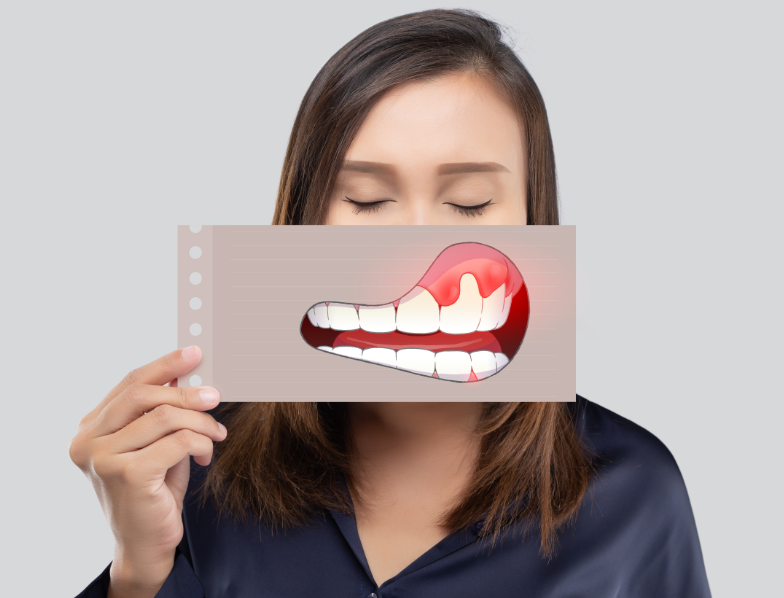
Have your teeth started to look a little longer than they used to? You may be noticing gum recession. This occurs when the gum tissue surrounding a tooth pulls back or wears away, exposing more of the tooth’s surface. Besides changing the appearance of your smile, receding gums can leave your teeth more vulnerable to sensitivity, decay, and other oral health problems.
There are several possible reasons why gums recede, and gum disease is one of the most important to understand. Recognizing the potential causes can help you know when it’s time to talk with a dental professional.
What Causes Gum Recession?
Gum disease is a common cause of receding gums. It begins when plaque and bacteria accumulate around the teeth and cause inflammation. Without appropriate care, the infection can damage the gum and bone tissue supporting your teeth. As the supporting structures are affected, the gums may pull away from the teeth.
Aggressive brushing can also contribute to gum recession. Although brushing is essential for maintaining a healthy smile, using too much pressure or a hard-bristled toothbrush can gradually irritate and wear down gum tissue. A gentle technique and a soft-bristled toothbrush can help protect your gums.
Other factors can play a role, too. Naturally thin gum tissue, teeth that are positioned in an unusual way, tobacco use, hormonal changes, and certain habits can increase the likelihood of recession. Injuries to the gums or repeatedly irritating the same area may also contribute.
What Are the Signs of Receding Gums?
The most obvious sign may be that your teeth appear longer than they did previously. You might also notice that the gumline looks uneven or that more of the tooth is visible near the roots.
Because exposed tooth roots aren’t covered by the same protective enamel found on the crowns of your teeth, recession can sometimes lead to increased sensitivity. You may experience a sharp sensation when drinking something cold or hot, eating sweet foods, or brushing the affected area.
Receding gums can also make it easier for plaque to collect around exposed areas. If you notice changes in your gumline, bleeding, swelling, persistent bad breath, or tooth sensitivity, don’t ignore them.
Can Receding Gums Be Prevented?
Not every case of gum recession can be prevented, but good oral hygiene can help reduce your risk. Brush twice a day using gentle pressure, clean between your teeth daily, and maintain regular dental visits.
Avoiding tobacco products can also benefit your gum health. If you grind or clench your teeth, talk with a dental professional about whether this could be contributing to damage around your gums.
Most importantly, address signs of gum disease promptly. Early treatment can help control infection and protect the tissues supporting your teeth. Depending on the cause and severity of recession, treatment may involve professional periodontal care, changes to your oral hygiene routine, or other procedures designed to protect exposed areas.
Healthy gums provide important support for your smile, so changes to your gumline deserve attention.
About the Practice
Barajas Dentistry is led by Dr. Eric Barajas, who has been practicing dentistry in Chula Vista for more than 30 years. After earning his dental degree from UCLA School of Dentistry, Dr. Barajas has continued his education in areas including periodontal care, dental implants, cosmetic dentistry, TMJ therapy, and sleep apnea therapy. He values building long-term relationships with his patients and enjoys seeing how comprehensive dental care can improve their health and quality of life.
Call us at (619) 482-7367 or schedule your appointment online
No Comments
No comments yet.
RSS feed for comments on this post.
Sorry, the comment form is closed at this time.