
Will My Diet Change If I Get Veneers?
March 29, 2026
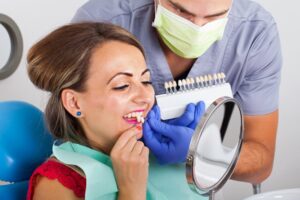
If you’re considering dental veneers to enhance your smile, you may be wondering how they will affect your daily habits, especially your diet. The good news is that veneers are designed to function like natural teeth, so you’ll still be able to enjoy most of your favorite foods. However, there are a few temporary and long-term adjustments to keep in mind.
What to Expect Right After Placement
Immediately after getting veneers, your dentist may recommend sticking to softer foods for a short period. Your teeth and gums can be slightly sensitive as they adjust to the new restorations.
During this time, it’s best to avoid very hard, crunchy, or sticky foods. Items like ice, hard candies, and chewy snacks could put unnecessary pressure on your veneers while your mouth is still adapting.
Long-Term Diet Considerations
Once your veneers are fully settled, you can return to a normal, balanced diet. Veneers are durable and designed to handle everyday chewing. However, they are not indestructible.
To protect your veneers and extend their lifespan, it’s wise to be mindful of certain foods and habits. Avoid biting directly into very hard foods like ice, nuts in their shells, or hard candy. Instead, cut these foods into smaller pieces when possible.
Sticky foods, such as caramel or taffy, can also pose a risk by pulling at the veneers or weakening the bonding over time.
Be Mindful of Staining Foods
Porcelain veneers are resistant to stains, but the natural teeth around them are not. Consuming large amounts of coffee, tea, red wine, or deeply pigmented foods can lead to uneven coloring over time.
Maintaining a balanced diet and practicing good oral hygiene can help keep your smile looking bright and consistent.
Avoid Harmful Habits
Your diet isn’t just about what you eat—it’s also about how you use your teeth. Habits like chewing on ice, opening packages with your teeth, or biting your nails can damage veneers.
Protecting your veneers from excessive force is key to keeping them in great condition for years to come.
Supporting Overall Oral Health
Even with veneers, maintaining good oral health is essential. A diet rich in fruits, vegetables, lean proteins, and calcium supports strong teeth and gums.
Poor dietary habits can still lead to issues like gum disease, which can affect the longevity of your veneers and overall oral health.
Enjoy Your Smile with Confidence
Getting veneers doesn’t mean giving up the foods you love; it simply means being more mindful. With a few small adjustments and good habits, you can enjoy a wide variety of foods while protecting your investment.
Your diet may change slightly, especially at first, but these adjustments are easy to manage. By taking care of your veneers and making smart choices, you can enjoy a beautiful, functional smile for many years to come.
About the Author
Dr. Eric Barajas has more than 30 years of experience practicing dentistry in Chula Vista. He earned his dental degree from the UCLA School of Dentistry and has since remained dedicated to continuing education in order to stay on top of the latest breakthroughs in dentistry. To date, he has completed countless courses focusing on subjects such as dental implants, cosmetic dentistry, TMJ therapy, and more. Dr. Barajas also stays current through memberships in the American Dental Association, the California Dental Association, and the Academy of General Dentistry, among others. Want a glow-up with veneers? We’ve got you covered – just book online or call us at (619) 482-7367.
No Comments
No comments yet.
RSS feed for comments on this post.
Sorry, the comment form is closed at this time.