
What Causes Gum Recession?
January 15, 2026
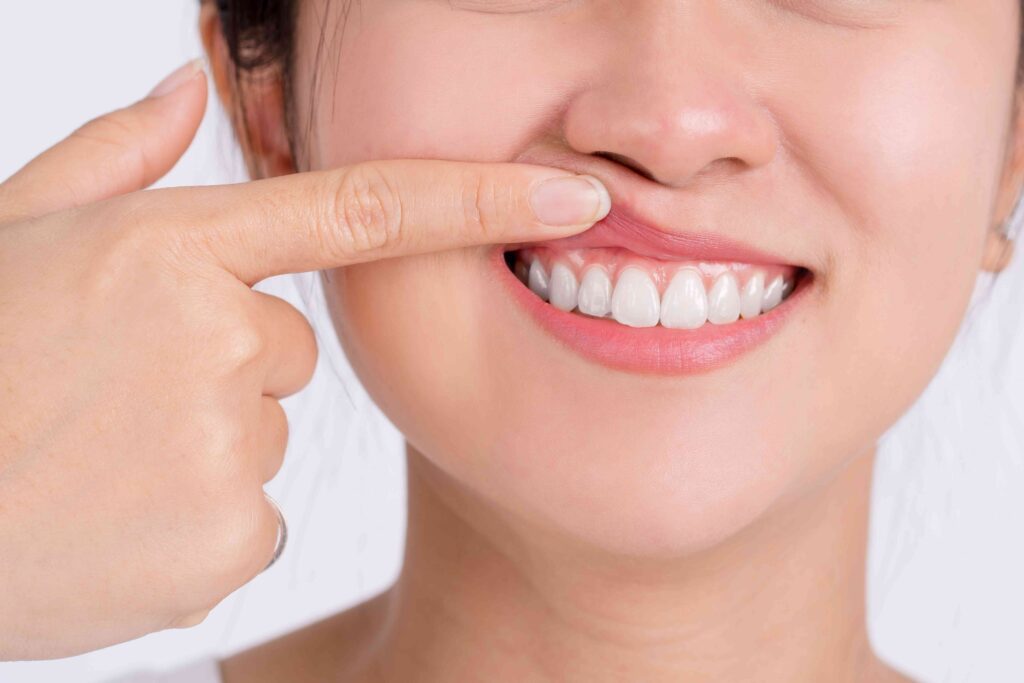
Gum recession is when the tissue surrounding the teeth either wears away or pulls back from the tooth, leaving more of the root exposed. Even though this is a common dental issue, many people are unsure why it occurs because it typically happens at a slow rate. Often times, the first sign is tooth sensitivity or when your teeth are starting to look longer than normal. Read on to learn more about the causes of gum recession and why this shouldn’t be ignored.
What Causes Gum Recession?
There are a variety of issues that can result in gum recession. Here are the most prominent ones.
- Gum Disease: Having a bacterial gum infection destroys the gum tissue and is the most common cause of recession.
- Vigorous Brushing: Many people don’t realize that they are brushing their teeth too aggressively. This can cause both the enamel to wear away and the gums to recede.
- Poor Oral Hygiene: If you don’t brush and floss frequently, plaque and tartar can build up between the teeth and along the gumline. This can cause gum recession when not removed.
- Hormonal Changes: When hormone levels fluctuate due to puberty, pregnancy, or menopause, gums are more likely to become sensitive and vulnerable to recession.
- Smoking: Using tobacco products increases your probability of developing periodontal disease, therefore making you more vulnerable to gum recession.
What Can I Do About Gum Recession?
Even though gum recession can’t be reversed, steps can be taken to prevent it from worsening in the future. Often times, your dentist will opt for scaling and root planing. This is a type of deep cleaning where your dentist carefully removed plaque and tartar that has built up on the surfaces along and below the gumline to prevent it from causing more damage. They may also prescribe you with an antibiotic to help fight off remaining bacteria in the gums. For severe gum recession, surgery may be required to resolve the issue.
How Can Gum Recession be Prevented?
To prevent future gum recession, take the following steps.
- Use a soft-bristled toothbrush when you brush. This will prevent the probability of damage to the soft tissues of the mouth.
- Stop smoking tobacco products. Ask your doctor, friends, and family about the best ways you can quit. Floss every day. This helps to remove plaque from between the teeth and beneath the gumline.
- Eat a well-balanced diet. Too much sugary and starchy food mean smore harmful plaque on the teeth.
- See your dentist for regular cleanings and checkups.
Gum recession is problematic, but by taking the right steps, you can prevent it from occurring and worsening. This way, you can maintain a healthy smile going forward!
About the Author
Dr. Eric Barajas earned his dental doctorate from the UCLA School of Dentistry. Since then, he has gained more than three decades of experience! Currently, he is a proud member of the American Dental Association, California Dental Association, and the Academy of General Dentistry. To learn more about gum disease treatment or to schedule an appointment at his office in Chula Vista, visit his website or call (619) 482-7367.
No Comments
No comments yet.
RSS feed for comments on this post.
Sorry, the comment form is closed at this time.